Tommy Tricker and the Stamp Traveller
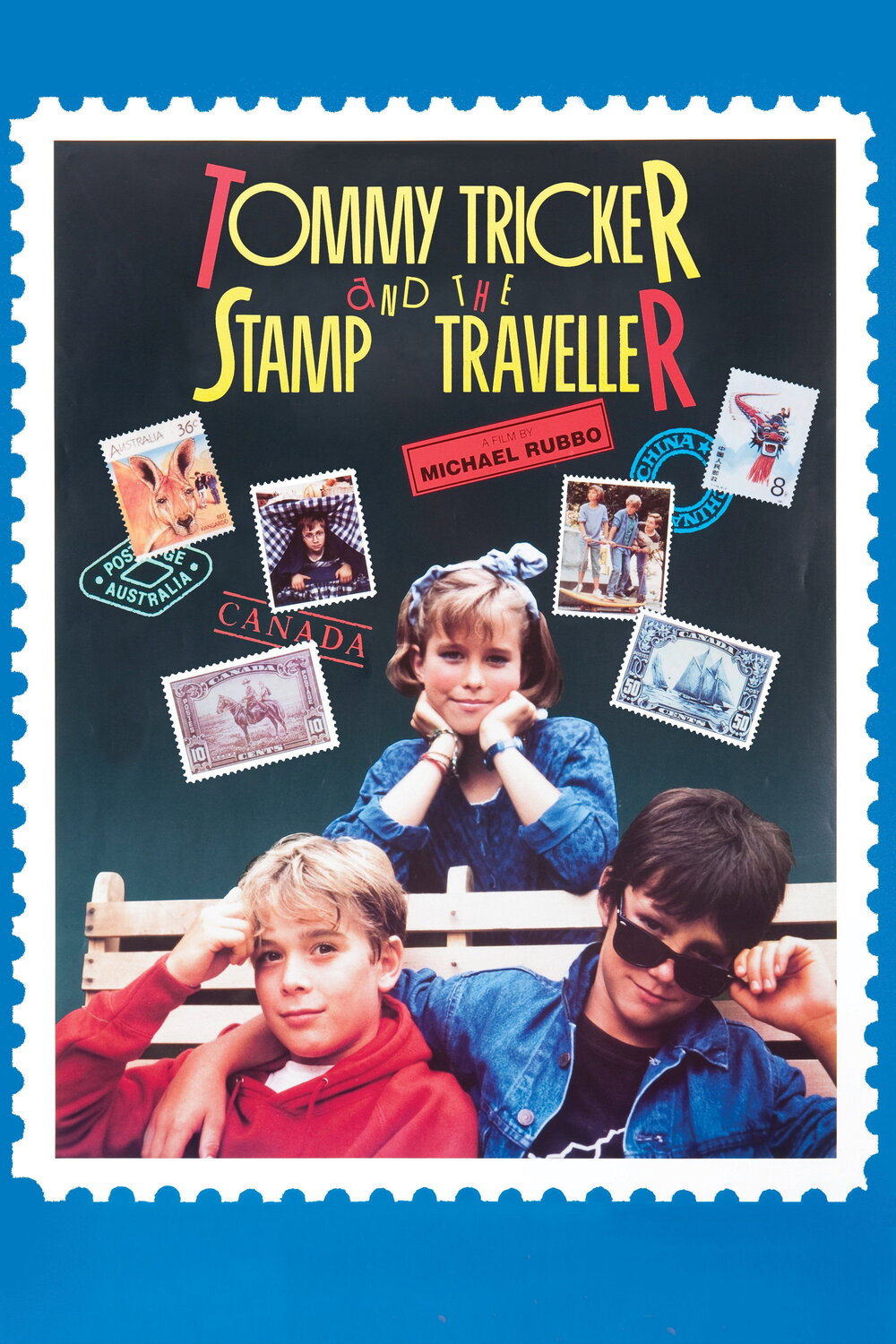
Also known as Les aventuriers du timbre perdu · Tommy Tricker · Tommy Tricker and the Stamp Traveler · Tommy Tricker and the Stamp Traveller · הבול הקסום · טומי טריקר · טומי טריקר ונוסע הבולים
- Years 1988
- Country Canada
- Running time 105 minutes
- Languages English, Chinese
- Budget About C$3 million
- Camera and editing Cinematography: Andreas Poulsson; editing: André Corriveau
- Filming locations Canada (Montreal), China (Hangzhou) and Australia (Sydney)
- Series Seventh film in Tales for All
- Nominations Two Genie Award nominations (1989): original screenplay and original song
- Sequel The Return of Tommy Tricker (1994)
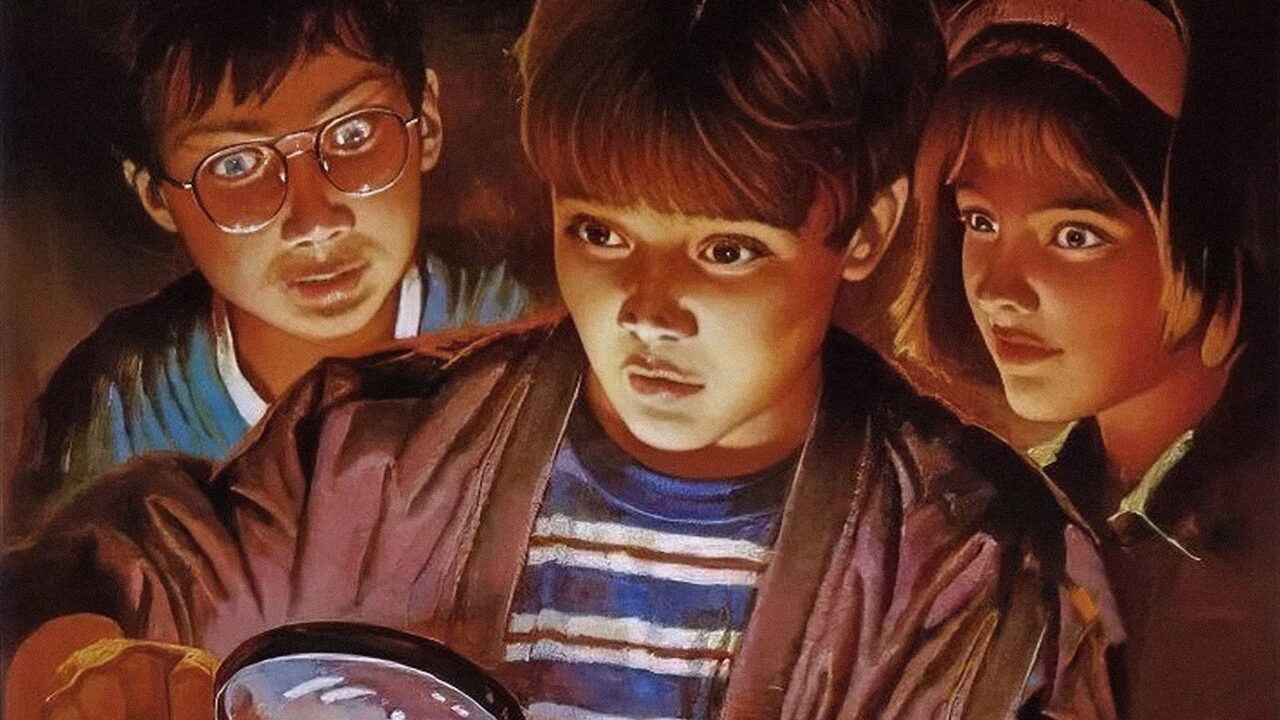
Tommy Tricker and the Stamp Traveller is a 1988 Canadian fantasy adventure film written and directed by Michael Rubbo, the seventh film in producer Rock Demers' Tales for All (Contes pour tous) series of family films.
Ralph, a shy stamp collector from Montreal, is conned out of his father's rare stamp by the mischievous Tommy Tricker.
Trying to make things right, Ralph and his friends discover a magic riddle that lets a person shrink into a stamp and travel by mail anywhere in the world.
That sets off a journey from Canada through China to Australia, in search of the lost stamp collection of a boy from 1913.
The score is by the McGarrigle sisters, and the film marks Rufus Wainwright's screen debut.
A sequel, The Return of Tommy Tricker, followed in 1994.
Plot
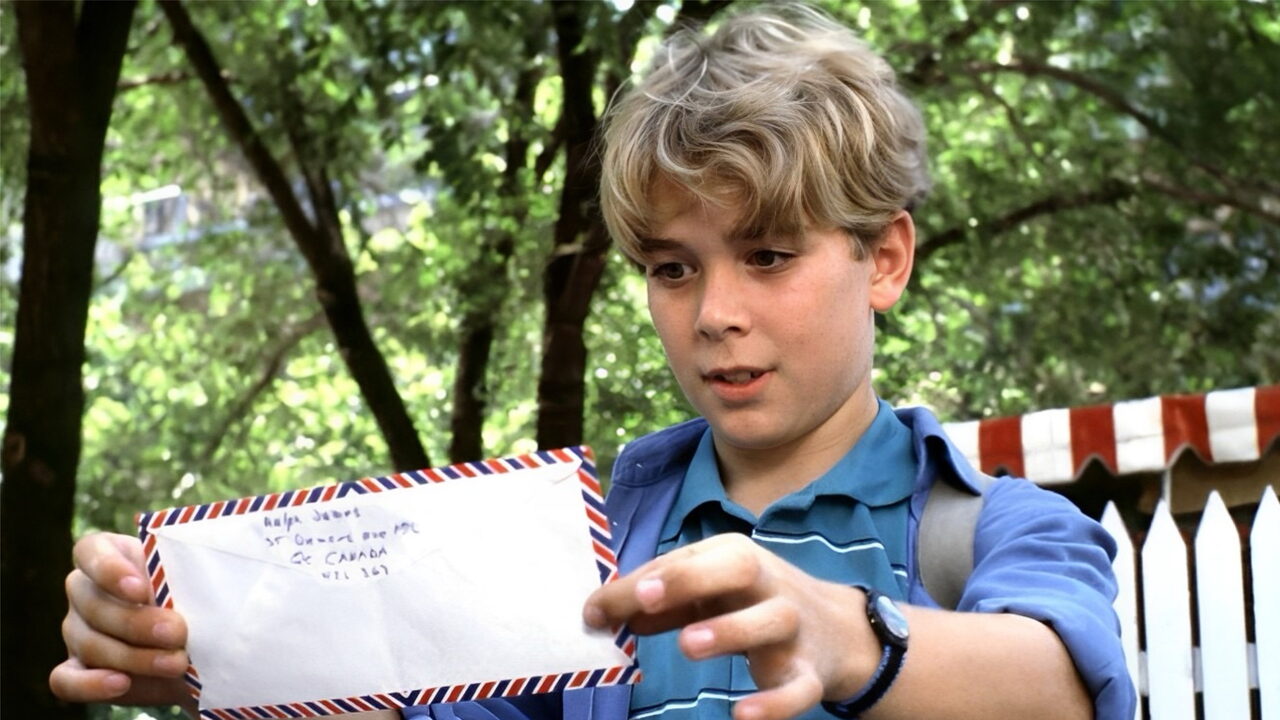
Ralph James is a timid young stamp collector from Montreal who stutters.
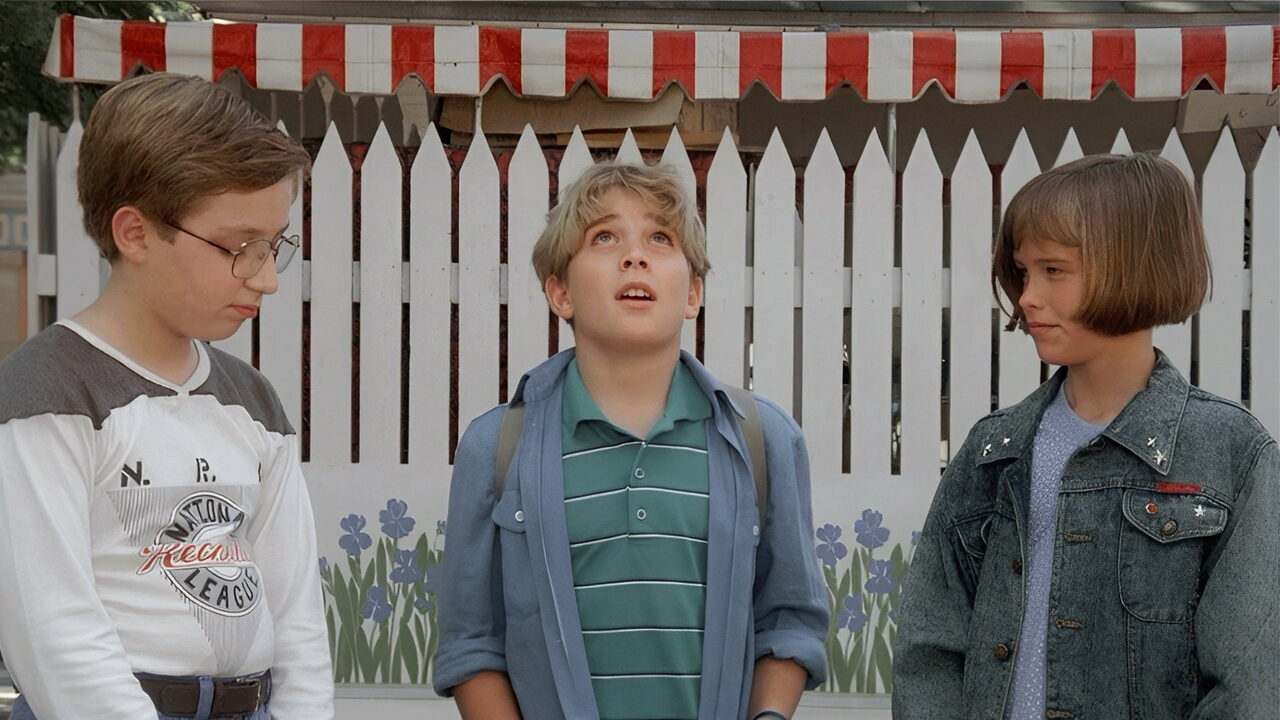
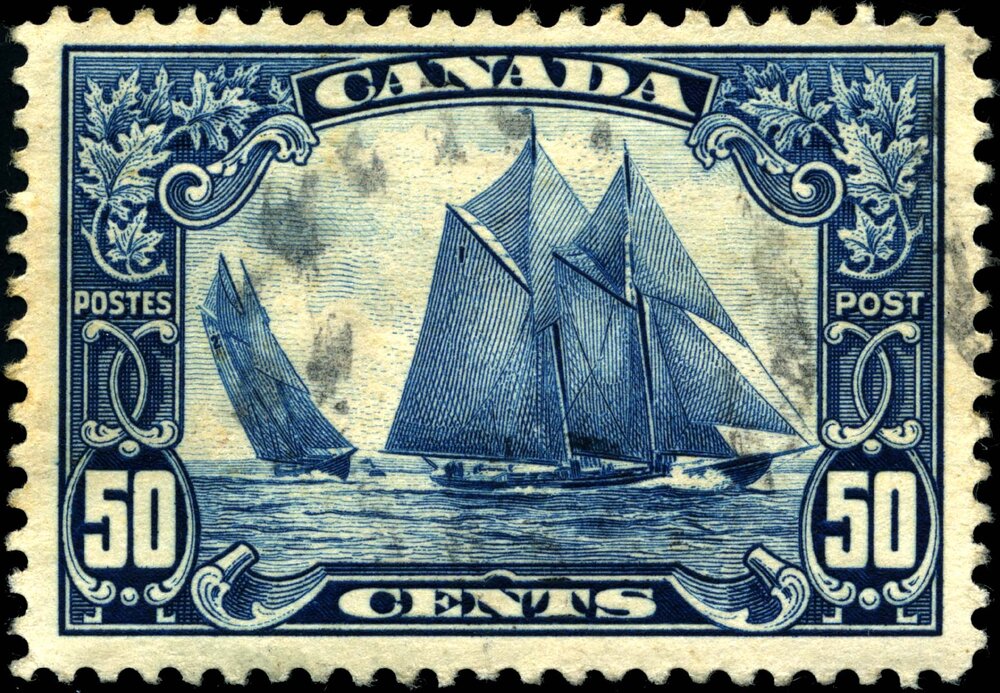
One day Tommy Tricker, a schoolmate and crafty stamp trader, offers him a set of rare stamps in exchange for a spare Bluenose stamp belonging to Ralph's father.
Ralph agrees, but Tommy swaps the stamps and runs off with the Bluenose.
He sells it at a stamp shop for $300 and uses the money to buy groceries for his poor family.
Ralph and his sister Nancy try to buy the stamp back, and the shop owners, taking pity on them, give Nancy an old stamp album for free.
Ralph, thinking it worthless, rips it up and finds hidden letters from Charles Merriweather, an 11-year-old boy from 1913. Charles hid his real, priceless collection in a stamp shop in Sydney, Australia.
The letter also contains a magic riddle that lets a person shrink into a stamp and travel by mail.
Tommy, eavesdropping, sets out after the collection too.
Ralph recites the riddle, turns into a tiny animated figure and boards a Mountie stamp on a letter to Australia.
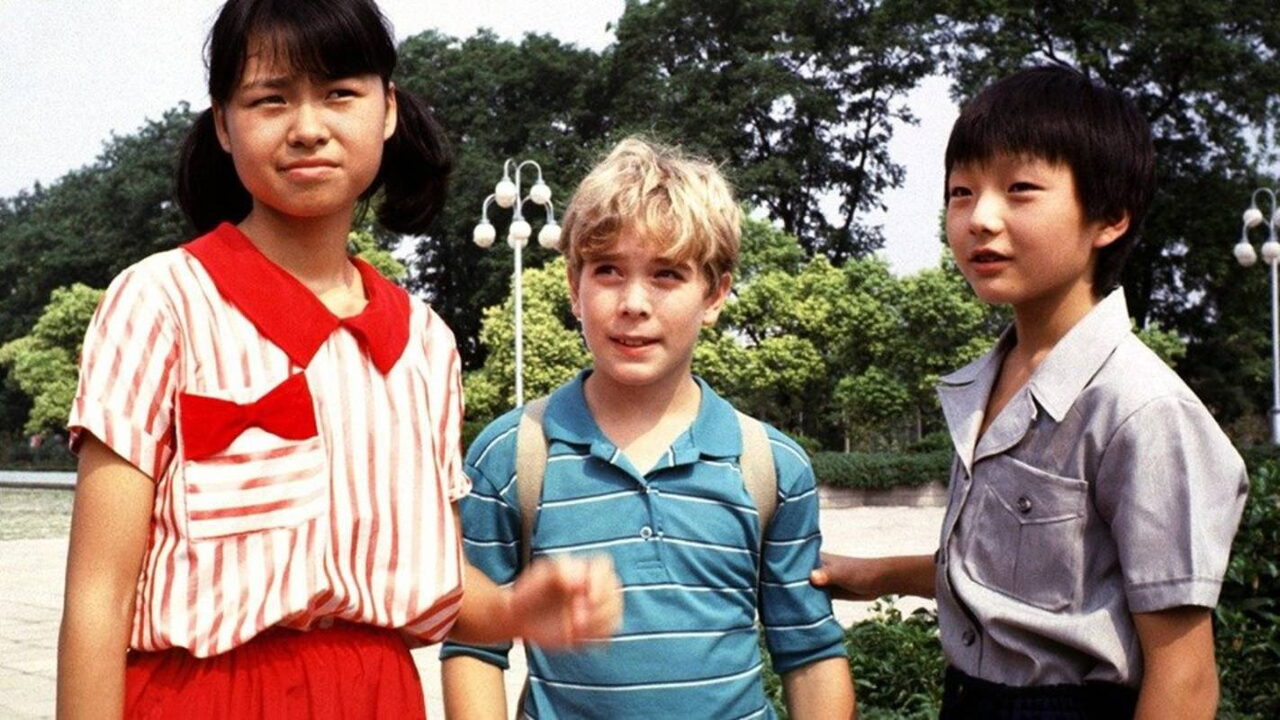
But the letter changes hands and ends up with Tommy, who sticks the stamp on a postcard to Chen Tow, Nancy's pen pal in Hangzhou, China.
There, with the help of Chen Tow and his friend Mai Ling, Ralph passes a test of courage and is launched toward Sydney with a dragon kite.
In Sydney the stamp shop has become a bookstore, and a boy calling himself "Charles" arrived the day before.
Ralph and Cheryl, granddaughter of the late shop owner, go to her uncle "Mad Mike" and find that "Charles" is Tommy in disguise, caught trying to steal the album.
Ralph offers Mike a koala for his zoo in exchange for Tommy and the album, and the two boys are mailed home with the help of a kangaroo.
On the way Tommy notes that Ralph no longer stutters.
Back in Montreal, another Bluenose turns out to show a boy holding a case marked "Charles": Charles Merriweather has been trapped in the stamp for seven decades.
In the end he is freed, still 11 in body but 71 in years.
Production
The film is the seventh in the Tales for All (Contes pour tous) series from Quebec's Les Productions La Fête and producer Rock Demers, created to make quality cinema for children and teens.
It was co-produced with Telefilm Canada and China Film Group, on a budget of about C$3 million.
As with his previous film, The Peanut Butter Solution, Michael Rubbo toured schools across Canada, acting out the story for children and filming improvised auditions.
Some 3,000 children auditioned, from Ottawa, Hamilton, Calgary, Vancouver and elsewhere.
Anthony Rogers (Tommy), Jill Stanley (Nancy) and Andrew Whitehead (Albert) came from Ottawa, Lucas Evans (Ralph) from Montreal and Paul Popowich (Cass) from Hamilton.
Of the main child actors, only Popowich went on to an acting career.
The film was shot in Canada, China and Rubbo's native Australia.
The mall chase, set to Rufus Wainwright's "I'm Running", was filmed at Montreal's Complexe Desjardins.
It combines live action with animated sequences and effects, in a world where an everyday object like a postage stamp becomes a gateway to travel around the globe.
Music and soundtrack
The score was written by Anna, Jane and Kate McGarrigle.
Kate's son Rufus Wainwright made his screen debut here and contributed the song "I'm Running", and his sister Martha Wainwright sang "Tommy, Come Back".
An album came out on vinyl and cassette, with a narrator retelling the film in three parts alongside music and dialogue: Rubbo narrates the English version and Claire Pimparé the French one. In 2011 "I'm Running" was included in Wainwright's House of Rufus box set, alongside his songs from films such as Moulin Rouge, Shrek and Brokeback Mountain.
Release and broadcast
The film opened in Canadian theaters on 16 December 1988, with screenings sponsored by Vachon Bakery and Canada Post.
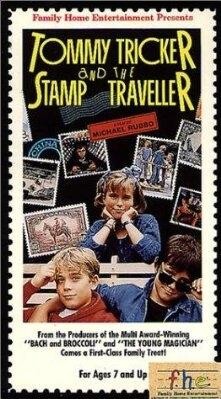
In the US it premiered on the Disney Channel on 10 November 1989 and aired there repeatedly through the 1990s. It was released on VHS by Family Home Entertainment, on DVD in 2006, and on Blu-ray in Canada in 2019, as a double feature with the sequel.
In Israel
In Israel the film is known as "HaBul HaKasum" (The Magic Stamp). According to viewers' memories and nostalgic social-media discussions, it aired on Israeli television, probably with reruns.
However, no broadcast schedules have been found yet to confirm the channel, dates or number of airings, and it is not known whether it aired dubbed into Hebrew or with subtitles.
If you have information or a source, we would love to hear from you.
Reception and awards
Noel Taylor of the Ottawa Citizen gave the film four stars, praising its "sense of anything-is-possible adventure" that children delight in. Henry Mietkiewicz of the Toronto Star called it "far and away the best family movie of the holiday season". Lin Connery of the Calgary Herald, on the other hand, wrote that it should have been cut down to a one-hour TV special, and mocked its product placement for Vachon snacks.
At the 1989 Genie Awards the film received two nominations, Michael Rubbo for original screenplay and Rufus Wainwright for the song "I'm Running", but won neither.
Sequels
A sequel, The Return of Tommy Tricker, came out in 1994. There is no confirmation that it aired in Israel.
In 2009 a remake was announced as a co-production between La Fête and Anonymous Content, but nothing has been heard of it since.
Cast
Lucas Evans
Ralph James
Anthony Rogers
Tommy Tricker
Jill Stanley
Nancy James
Andrew Whitehead
Albert
Paul Popowich
Cass
Han Yun
Mai Ling
Chen Yuen Tao
Chen Tow
Catherine Wright
Cheryl
Tony Barry
Mad Mike
Ernie Dingo
Dave
John Dapery
Mr. Bronson
Ron Lea
Brin James, Ralph's father
Linda E. Smith
Jane James, Ralph's mother
Rufus Wainwright
Singer
| Image | Name | Character |
|---|---|---|
| No photo | Lucas Evans | Ralph James |
| No photo | Anthony Rogers | Tommy Tricker |
| No photo | Jill Stanley | Nancy James |
| No photo | Andrew Whitehead | Albert |
| No photo | Paul Popowich | Cass |
| No photo | Han Yun | Mai Ling |
| No photo | Chen Yuen Tao | Chen Tow |
| No photo | Catherine Wright | Cheryl |
| No photo | Tony Barry | Mad Mike |
| No photo | Ernie Dingo | Dave |
| No photo | John Dapery | Mr. Bronson |
| No photo | Ron Lea | Brin James, Ralph's father |
| No photo | Linda E. Smith | Jane James, Ralph's mother |
| No photo | Rufus Wainwright | Singer |
Series details
- Original title
- Tommy Tricker and the Stamp Traveller (Quebec: Les aventuriers du timbre perdu)
- Studio / production
- Les Productions La Fête, with Telefilm Canada and China Film Group
- Genre
- Adventure · Fantasy · Family
- Creators
- Rock Demers
- Writers
- Michael Rubbo
- Directors
- Michael Rubbo
Music
Music by Anna, Jane and Kate McGarrigle.
Kate's children Rufus and Martha Wainwright sing original songs on the soundtrack: Rufus performs "I'm Running" and Martha "Tommy, Come Back" ("Tommy Reviens" in the French version).
Did you know?
- Rufus Wainwright's debut Singer Rufus Wainwright made his screen debut in this film, as one of Tommy's classmates, and wrote the song "I'm Running" for it. He later said he was glad he didn't win the Genie, since winning at that age would have been "too weird".
- What happened at the ceremony Wainwright described the Genie Awards ceremony as a "vast, unclapping void". The experience briefly soured him on pop music and pushed him toward classical music, which he explored later in his career.
- A real stamp The Bluenose stamp at the center of the story is based on a real 1929 Canadian stamp showing the famous Nova Scotia racing schooner Bluenose.
- A musical family The score is by the three McGarrigle sisters, and both of Kate McGarrigle's children, Rufus and Martha Wainwright, sing on the soundtrack.
- The director's daughter too Cree Rubbo, director Michael Rubbo's daughter, plays Cree in the film.
- Don't mix them up In the US the film aired on the Disney Channel, but those American broadcasts shouldn't be confused with its possible airings in Israel.
Image
Comments
No approved comments yet.