BaHeder shel Hani
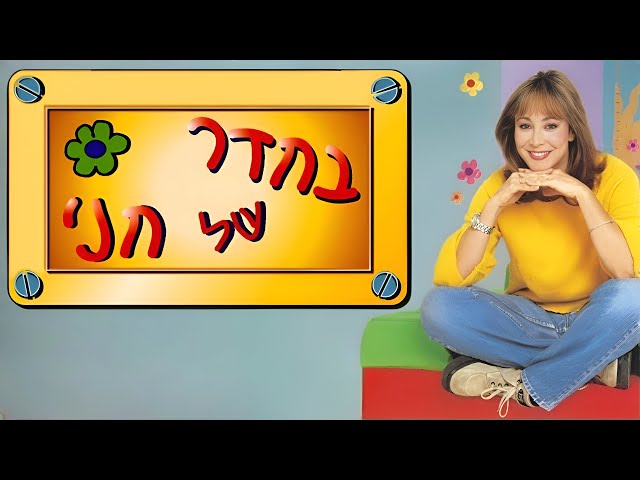
Also known as BaHeder shel Hani · HaKayitz shel Hani · Hani's Room · In Hani's Room · בחדר של חני · החדר של חני · הקיץ של חני · חדר של חני
- Years 1998-2008 (חזרה קצרה ב-2009)
- Country Israel
- Network Israeli Educational Television / Channel 1 / Educational 23
- Broadcast 1998-2008 on Educational TV; last new episode 21 Feb 2008; brief return Jan 2009 during Operation Cast Lead
- Earlier name HaKayitz shel Hani (summer 1998); renamed BaHeder shel Hani on 1 Sep 1998
- Awards Golden Screen 2001-original children's/youth program; Hani Nachmias-children's host
- Catchphrase "And most of all it's OK to love" (VeHakhi Mutar LeEhov)
BaHeder shel Hani (Hani's Room) was an Israeli children's show hosted by Hani Nachmias on Educational Television from 1998 to 2008. It mixed conversations with kids, guest artists and professionals, games, riddles, contests and themed segments, and at times also framed Educational Television's children's programming block.
The show was especially identified with active participation by children from across the country and with Nachmias's direct approach to young viewers.
In 2001 it won the Golden Screen award for original children's and youth programming, and Nachmias won the children's-host award at the same ceremony.
History
The show began in summer 1998 when Hani Nachmias hosted the Educational Television summer slot as HaKayitz shel Hani (Hani's Summer). Later that year it became BaHeder shel Hani (In Hani's Room); archival records date the rename to 1 September 1998.
Early seasons used an instrumental opening.
In 2001 the opening was refreshed and Nachmias recorded a theme song that became one of the program's signatures, including the line about it being "OK to love."
Over the years the format evolved, including studio layout and recurring segments.
The studio design was updated in 2005.
New episodes ended in 2008; the last new broadcast was 21 February 2008, followed by repeats through the year.
In January 2009 the show returned briefly in a special format during Operation Cast Lead.
Program structure
Children were at the center of BaHeder shel Hani.
Hani Nachmias hosted kids from across Israel and talked with them about their lives, interests, dreams, experiences, fears and everyday concerns.
Artists, creators, professionals and experts also visited.
Sometimes the children themselves interviewed guests or took an active part in studio activities.
Some episodes focused on a theme-start of school, nature, music, crafts, trips-with guests and activities tied to that topic.
Viewers at home could take part through riddles and quiz questions with prizes.
As a broadcast block
At various times BaHeder shel Hani also framed Educational Television's children's strip.
Studio segments were slotted between cartoons and other kids' shows, with Hani and the children returning several times per block.
Schedules from the period show segments from a few minutes up to about a quarter of an hour, with other programs in between.
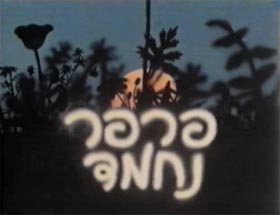
For example, 2008 schedules placed BaHeder shel Hani between shows such as Parpar Nehmad (Nice Butterfly), The Bear in the Blue House and other children's programs.
Segments and content
Trivia Champions-kids competed in knowledge quizzes with standing categories (general knowledge, Israel, music, film, sports) plus specialties they sometimes chose.
"Wheel of fortune" helpers affected prizes.
Nature corner-from the early 2000s hiker and naturalist Dandan Bulotin presented a weekly nature segment (documented from 2001).
Daily riddle-home viewers could answer questions and win prizes.
Dream fulfillment-children could meet people they wanted to know, including artists and professionals.
In a documented 2004 case, a girl who asked to interview creator Datia Ben-Dor was invited to the studio for an interview.
Cooking and crafts-activities and art segments; artist Batia Oziel guested, and during 2006 emergency broadcasts she hosted a crafts corner.
Emergency broadcasts
A hallmark of BaHeder shel Hani was adapting when children needed explanations and age-appropriate coverage of crises.
Second Lebanon War (2006)-the program became an open live studio airing daily from morning until 15:30 on Channel 1 and Educational 23. Children from the north and south joined psychologists, analysts, artists and other guests.
Coverage explained the security situation for kids and included activities and crafts.
Clips were quickly posted online as part of a children's information effort.
A special children's news edition hosted by Liad Mudrik followed some broadcasts.
Operation Cast Lead (2009)-after regular runs ended, BaHeder shel Hani returned briefly in January 2009 as a studio aimed at giving children information and content suited to the emergency.
Awards and recognition
In 2001 BaHeder shel Hani won first place in the Golden Screen award for original children's and youth programming; Hani Nachmias won children's host at the same ceremony.
The show continued to earn TV award nominations, including Golden Screen and Israeli Academy of Television nods.
In 2008 the episode on children with diabetes won first place in the Novo Nordisk media prize.
In 2007, in a stamp series marking Israeli Educational Television, BaHeder shel Hani was among the programs chosen to represent the channel alongside classics such as Parpar Nehmad, Zehu Zeh!, Rega im Dudli and others.
Production
Host: Hani Nachmias.
Direction: Yitzhak Halutzi (and in later years Shirley Halfon and Haim Avraham, per records).
Producer: Lilach Rachmani.
Writing / editorial: Galit Levy (2001-2008).
Broadcast producer: Israeli Educational Television.
During the Second Lebanon War Galit Levy also served as deputy editor of the live broadcasts.
Guests and participants
Over the years many children from across Israel appeared alongside artists, creators, professionals and experts.
Actor and comedian Or Ariel Tzabari was among the child guests-he appeared at age eight in his first TV role.
Documented guests and participants also include Datia Ben-Dor, Batia Oziel and Dandan Bulotin.
Legacy
BaHeder shel Hani aired for about a decade and became one of the signature children's programs of late Israeli Educational Television.
Unlike plot-driven or game-heavy kids' TV, it put children themselves in the center: they talked, asked questions, competed, interviewed guests and shared their interests and experiences with viewers.
After the show ended, Hani Nachmias continued to use the name and familiar motifs in nostalgia events-the idea of a room where "it's OK to have fun and most of all OK to love."
Cast
| Image | Name | Character | Years |
|---|---|---|---|
|
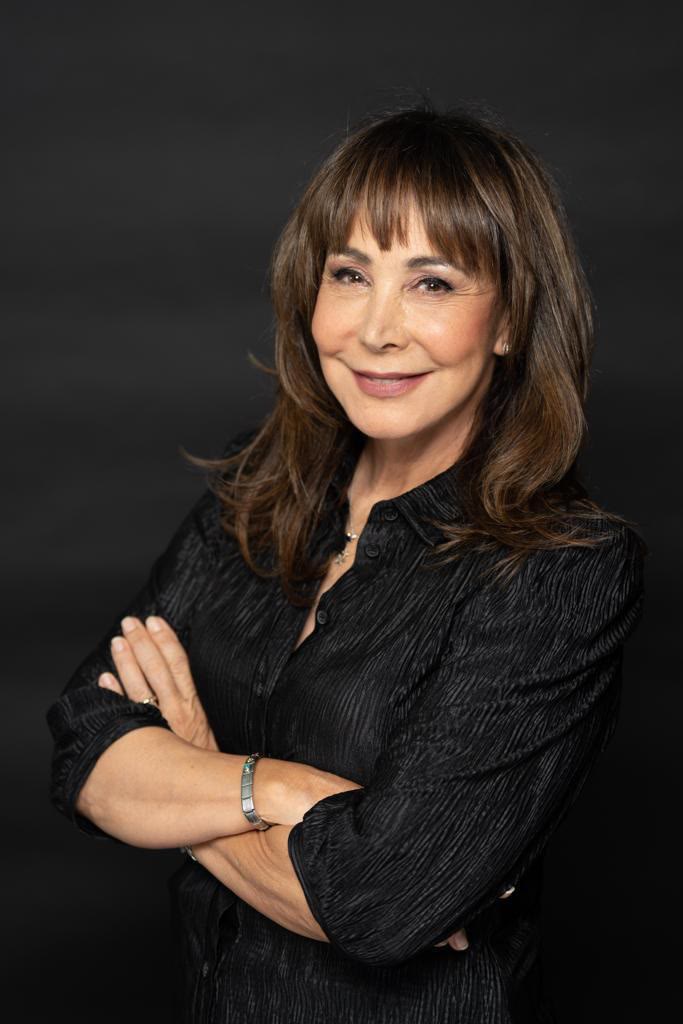
Hani Nachmias | Host | 1998-2008 |
| No photo | Dandan Bulotin | Nature segment | תחילת שנות ה-2000 |
| No photo | Lilach Rachmani | Producer / editor | 1998-2008 |
| No photo | Yitzhak Halutzi | Director | |
| No photo | Galit Levy | Writer / editorial staff | 2001-2008 |
Series details
- Network
- Israeli Educational Television / Channel 1 / Educational 23
- Studio / production
- Israeli Educational Television
- Genre
- Children · Talk show · Educational
- Creators
- Lilach Rachmani
- Directors
- Yitzhak Halutzi
Related series
Parpar Nechmad
Related
Did you know?
- First name The program started in summer 1998 as HaKayitz shel Hani and became BaHeder shel Hani the same year.
- Golden Screen In 2001 both the show and Hani Nachmias won Golden Screen awards.
- Broadcast strip During some periods studio segments aired several times within the same children's block, linking other programs.
- Second Lebanon War During the war the show expanded into an open studio broadcast for hours each day.
- Or Ariel Tzabari Appeared as an eight-year-old-his first television appearance.
- Educational TV stamps In 2007 the show was included in a stamp series honoring Educational Television programs.
Comments
No approved comments yet.