Children's and Youth Programs
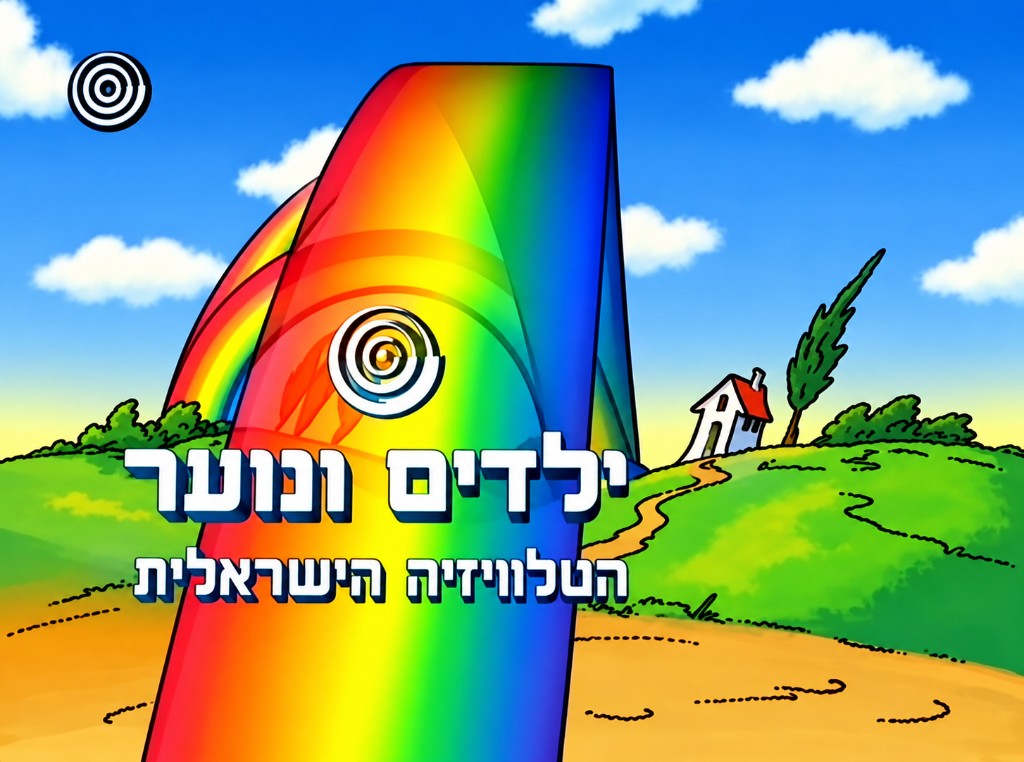
Also known as Channel 1 Children's Strip · Children's and Youth Programs · Kids and Youth Programs · ילדים ונוער · רצועת הילדים של הערוץ הראשון · תוכניות הילדים והנוער · תוכניות ילדים ונוער
- Years לפחות מסוף שנות ה-80 עד 1994 (מתכונת הרצף הוותיקה)
- Country Israel
- Network Channel 1 / Israeli Television
- Type Kids and youth programming strip / continuity studio
- Airtime Late afternoon / early evening, usually around 17:30-18:00
- Format Continuity studio with rotating hosts, originals and acquisitions, and viewer contact
- Succeeded by In 1994: Ping Pong, then Zap laRishon
Children's and Youth Programs (תוכניות הילדים והנוער) is the name associated with Israeli Television / Channel 1's kids-and-youth programming strip - especially the continuity studio that framed children's broadcasts in the late 1980s and early 1990s.
Unlike a single kids show with a fixed format, it was a broadcast framework that mixed acquired series with Israeli originals.
Between programs, rotating studio hosts introduced what was next, spoke with viewers and sometimes ran short segments of their own. It usually aired in the late afternoon / early evening, around 17:30-18:00, and is remembered for the rainbow opening animation reading «ילדים ונוער / הטלוויזיה הישראלית».
This is not Ping Pong and not Zap laRishon - those followed in 1994.
About
Children's and Youth Programs is the name associated with Israeli Television / Channel 1's kids-and-youth strip, especially the continuity studio that framed children's broadcasts in the late 1980s and early 1990s.
Unlike a single kids show with a fixed story format, it was a broadcast framework mixing acquired series with Israeli originals.
Between programs, continuity hosts appeared in the studio, introduced what was next, spoke with viewers and sometimes ran short segments of their own.
A memorable feature was direct contact with children at home: viewers sent letters and drawings that were shown and sometimes read on air.
The strip is also identified with the rainbow opening animation reading «ילדים ונוער / הטלוויזיה הישראלית».
The continuity studio
Hosts did more than announce the next show.
Studio segments could include talks on kids and youth topics, seasonal notes, letters and drawings from viewers, and short content pieces.
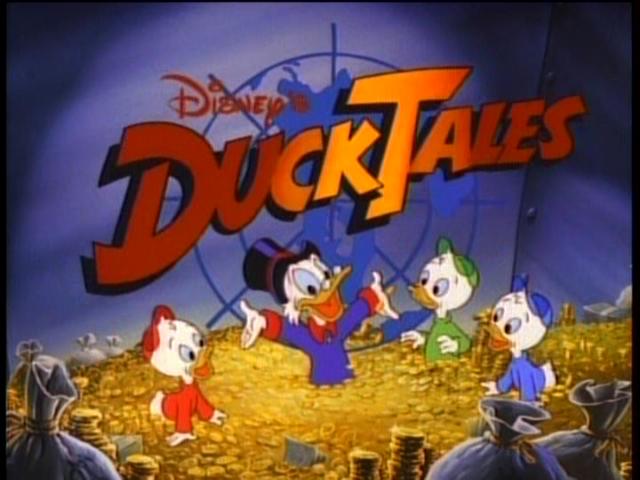
In a recording from 31 August 1989, for example, Gadi Taub is in the studio discussing the end of summer vacation and the start of the school year, and introducing DuckTales (מעשיות ברווזיות).
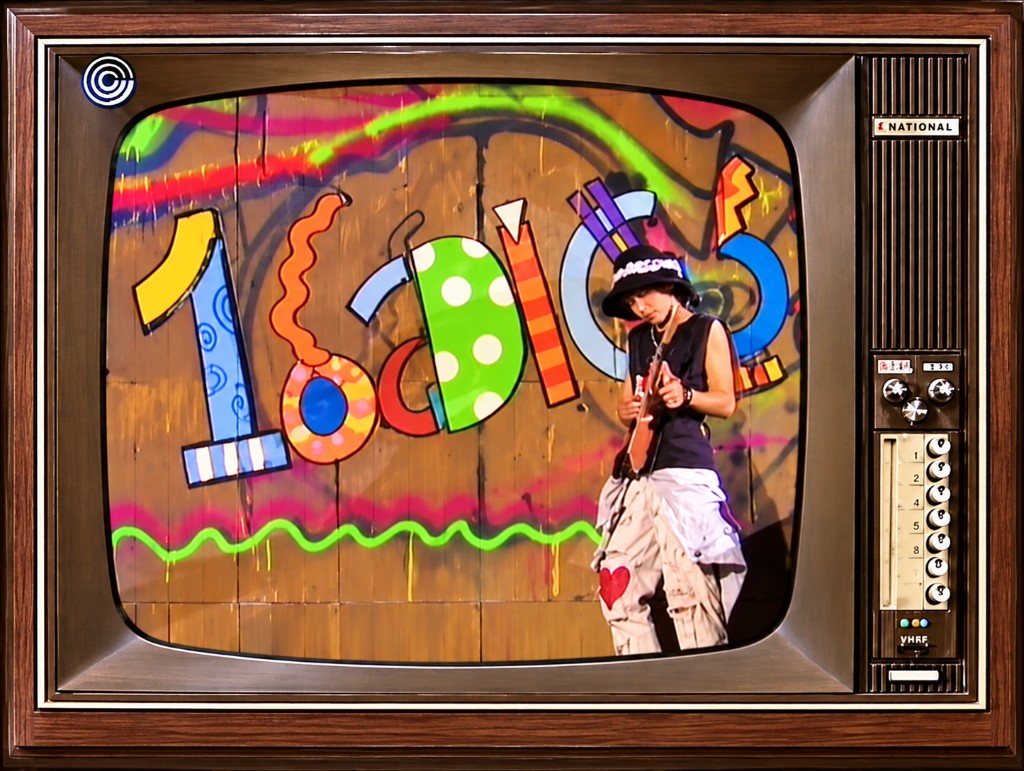
In late 1990 many letters reached the children's department after a dramatic Hopa Hey episode, and Dalik Volonitz read a selection of them on air.
In another 1993 recording, Ronit Kfir hosts the continuity strip and presents material sent by viewers alongside the programs.
These examples show that the continuity studio was central to the viewing experience, not just a string of short announcements.
Hosts
Over the years, rotating hosts appeared in the continuity studio.
Documented hosts include:
Gadi Taub - documented hosting as early as 31 August 1989.
Dalik Volonitz - one of the open-studio hosts; documented reading viewer letters among other duties.
Ronit Kfir - announcer and continuity host; documented in a 1993 recording.
Eyal Lavi - documented hosting in 1994.
Noa Lev - documented hosting in 1994.
Others associated with kids and youth broadcasts of the period include Ayala Ashrov and Eran Shavit.
Programs in the strip
Over the years the strip mixed Israeli originals and acquired series.
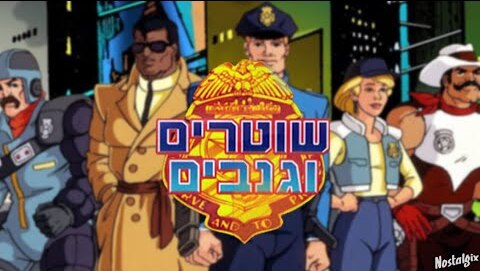
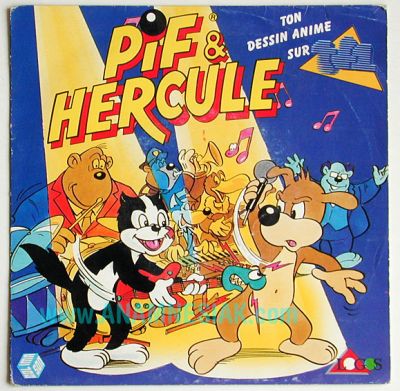
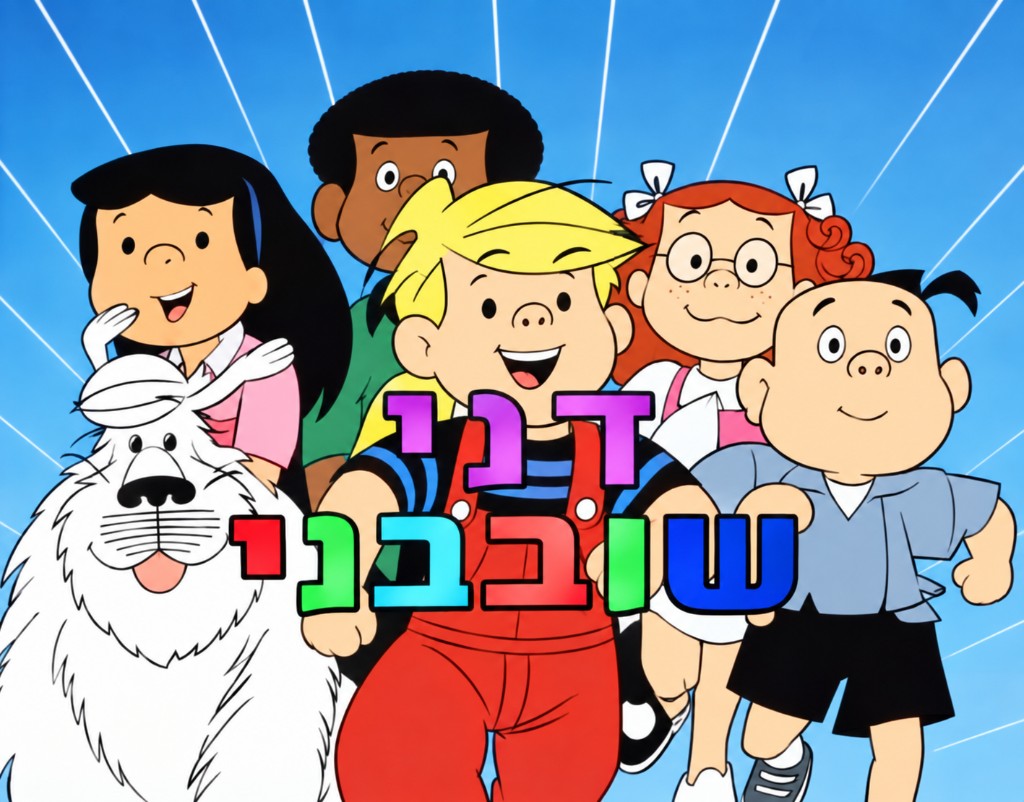
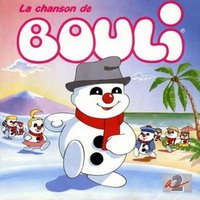
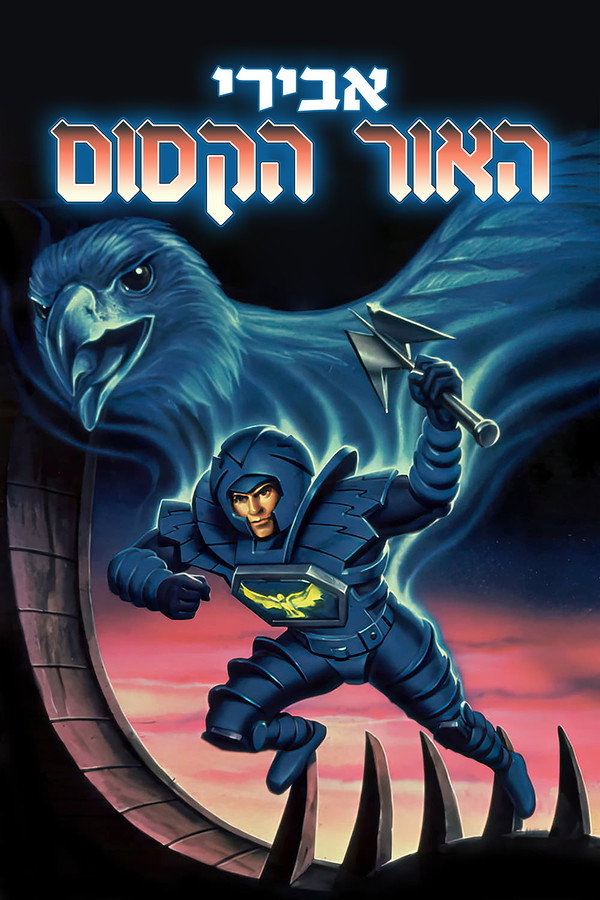
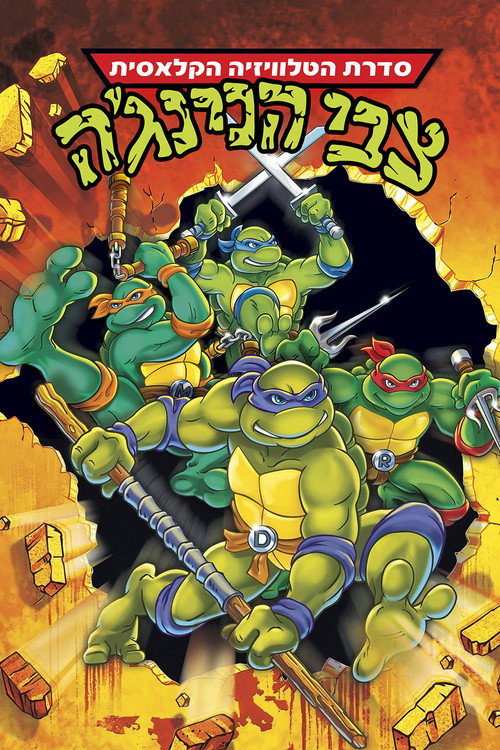
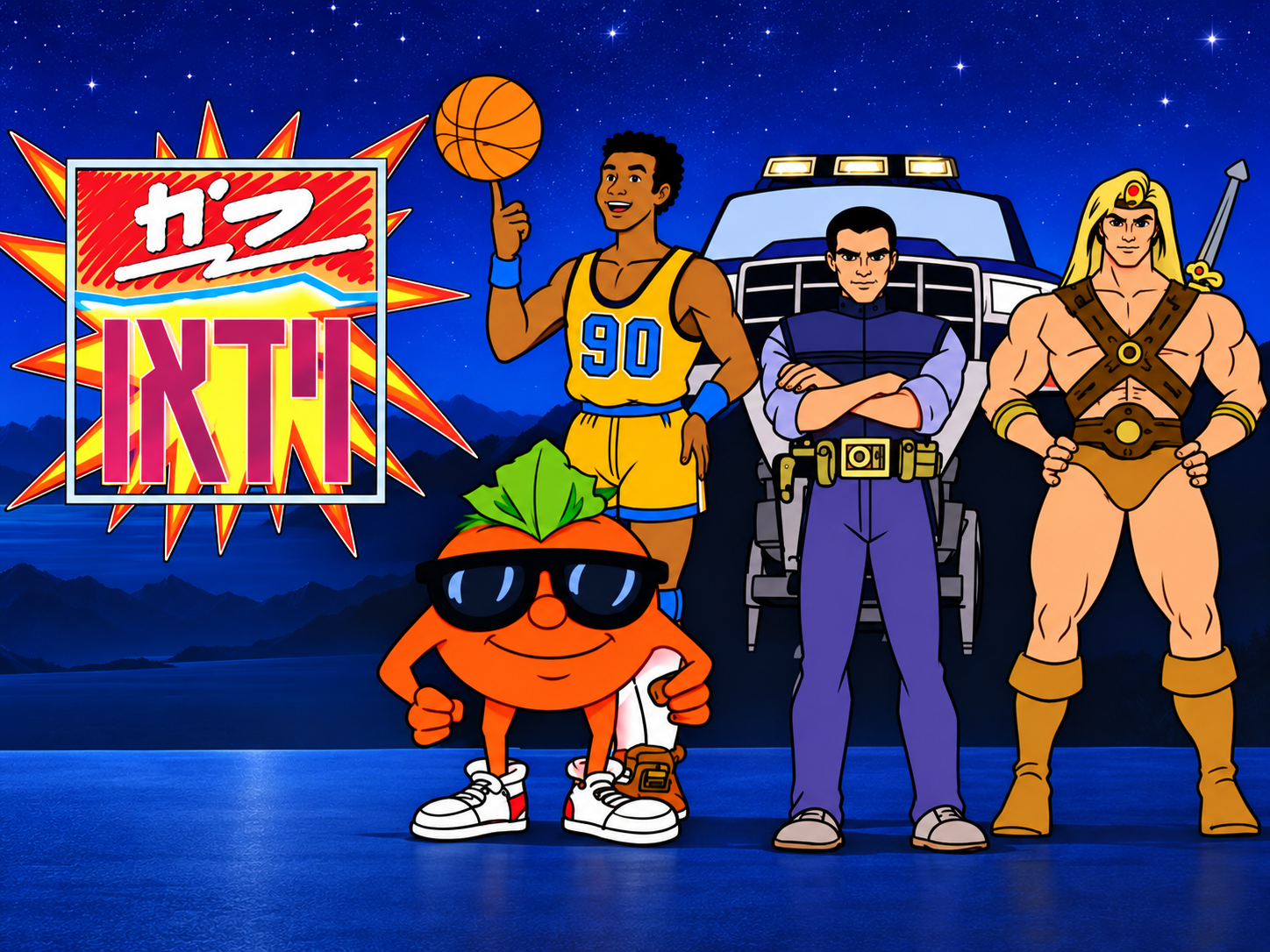
Programs confirmed to have aired within the strip include C.O.P.S. Spiff and Hercules, Hopa Hey, Dennis the Menace, Bouli, Visionaries: Knights of the Magical Light, Teenage Mutant Ninja Turtles (1987), Video Power and Bosco Adventure (חבורת הצב המעופף).
DuckTales is also documented within the strip's broadcasts - Gadi Taub introduced it in the 31 August 1989 recording.
Hopa Hey, one of the children's department's notable productions, was part of that broadcast world.
Many other children's series aired on Channel 1 in that period were scheduled in the kids-and-youth hours.
Letters and drawings from viewers
Before the internet and social media, letters were one of the main ways children could contact TV programs.
That contact was also a prominent part of this continuity studio.
Children sent letters, questions and drawings, and hosts presented some of them on air.
Sometimes letters responded directly to events on shows.
In late 1990, for example, a Hopa Hey episode drew many reactions, and Dalik Volonitz read a selection of the letters that followed.
The move to Ping Pong and Zap laRishon
1994 was a major transition year for Channel 1 kids and youth programming.
Early that year the channel's daily schedule also changed, adding an afternoon slot.
During 1994 Ping Pong appeared - an afternoon kids-and-youth strip mixing live studio, regular corners, guests, originals and acquisitions, and participation by children and teens.
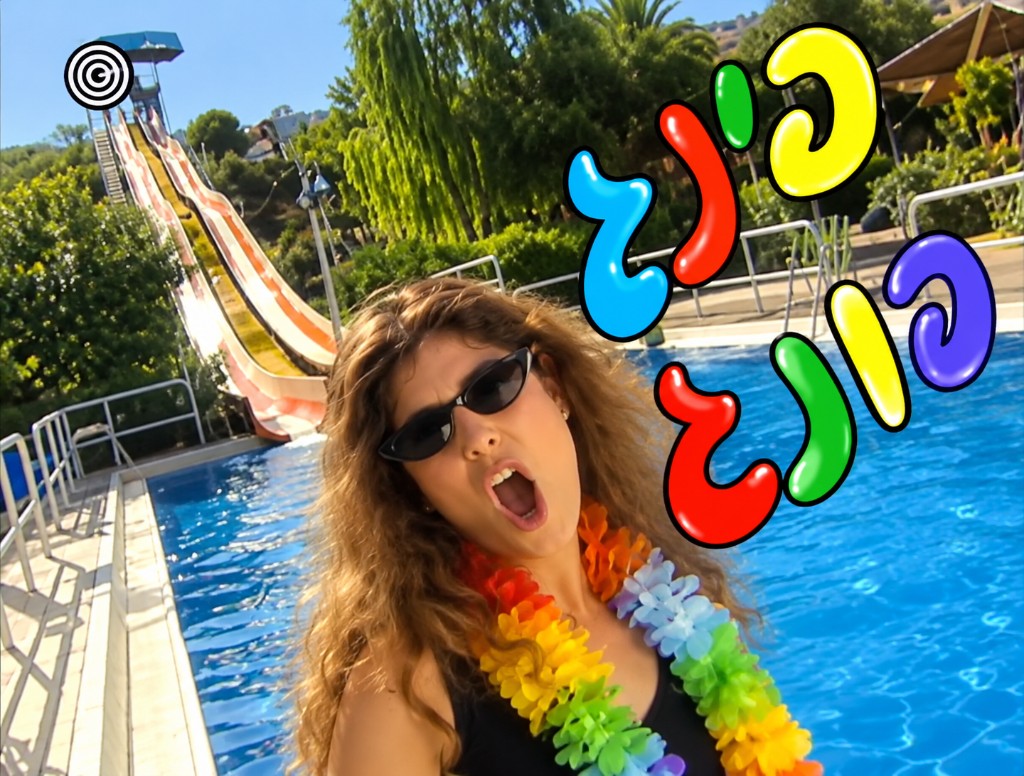
Later that year the Zap laRishon brand appeared, continuing and developing the afternoon format.
Zap laRishon is documented on air by December 1994.
The change between strips was not necessarily a clean break.
Hosts and staff continued across the stages, and earlier programs could still appear in the new framework.
It also helps to distinguish the continuity strip from Israeli Television's Children's and Youth Programs department.
The department name kept appearing in credits and archives after Ping Pong and Zap laRishon, so later sources sometimes mix the older strip, the department and the later brands.
Historical importance
Children's and Youth Programs represents a period when Israeli kids TV was not only a run of series, but a full television framework connecting programs to viewers at home.
The continuity studio and hosts gave broadcasts a local identity even when the next show was an imported acquisition.
Letters, drawings and direct address to children linked viewers to the channel and made the continuity itself part of the experience.
That model developed during 1994 into the more live, magazine-like Ping Pong format, and then into Zap laRishon, which became a central Channel 1 kids-and-youth brand through the 1990s and beyond.
Cast
Gadi Taub
Continuity host
Dalik Volonitz
Continuity host
Ronit Kfir
Announcer and continuity host
Eyal Lavi
Continuity host
Noa Lev
Continuity host
Ayala Ashrov
Associated with kids and youth broadcasts
Eran Shavit
Associated with kids and youth broadcasts
| Image | Name | Character |
|---|---|---|
| No photo | Gadi Taub | Continuity host |
| No photo | Dalik Volonitz | Continuity host |
| No photo | Ronit Kfir | Announcer and continuity host |
| No photo | Eyal Lavi | Continuity host |
| No photo | Noa Lev | Continuity host |
| No photo | Ayala Ashrov | Associated with kids and youth broadcasts |
| No photo | Eran Shavit | Associated with kids and youth broadcasts |
Series details
- Network
- Channel 1 / Israeli Television
- Genre
- Children · Youth · Programming block · Continuity studio
Related series
Ping Pong
Sequel
Zap laRishon
Related
Hopa Hey
Related
C.O.P.S.
Related
Spiff and Hercules
Related
Dennis the Menace
Related
Bouli
Related
Visionaries: Knights of the Magical Light
Related
Teenage Mutant Ninja Turtles (1987)
Related
Video Power
Related
Bosco Adventure
Related
DuckTales
Related
Comments
No approved comments yet.